Understanding Education: Global Perspectives in Learning

Education is a fundamental pillar of society, shaping individuals and communities alike. As the world becomes increasingly interconnected, understanding diverse educational systems and philosophies is essential. This blog post explores various global perspectives in learning, highlighting unique approaches, challenges, and innovations that define education across different cultures.
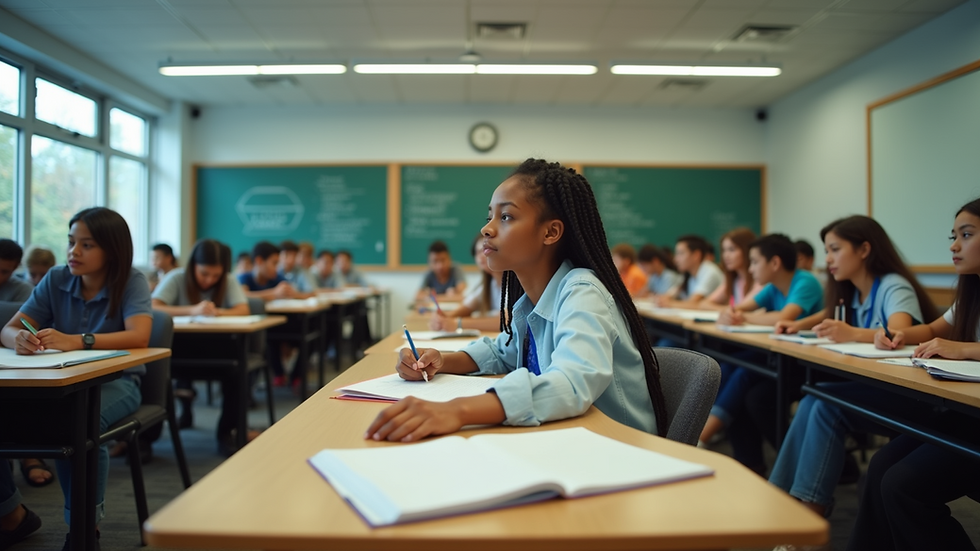
The Importance of Education
Education serves as a gateway to opportunity, personal development, and societal progress. It equips individuals with the knowledge and skills necessary to navigate the complexities of life. Here are some key reasons why education is vital:
Empowerment: Education empowers individuals to make informed decisions and pursue their goals.
Economic Growth: A well-educated workforce drives innovation and economic development.
Social Cohesion: Education fosters understanding and tolerance among diverse groups, promoting social harmony.
Global Perspectives on Education
1. Western Educational Models
Western countries, particularly the United States and Canada, often emphasize a liberal arts education. This approach encourages critical thinking, creativity, and a broad understanding of various disciplines.
Key Features:
Student-Centered Learning: Focus on individual learning styles and interests.
Extracurricular Activities: Importance of sports, arts, and community service.
Assessment Methods: Use of standardized tests alongside project-based assessments.
2. Eastern Educational Approaches
In contrast, many Eastern countries, such as Japan and South Korea, prioritize rote memorization and high-stakes testing. This method often leads to high academic achievement but can also create immense pressure on students.
Key Features:
Discipline and Respect: Emphasis on respect for teachers and adherence to rules.
Intensive Study: Long hours of study and after-school tutoring.
Collectivism: Focus on group success rather than individual achievement.
3. Indigenous Education Systems
Indigenous education systems, such as those in Australia and North America, often incorporate traditional knowledge and cultural practices. These systems aim to preserve cultural heritage while providing practical skills.
Key Features:
Holistic Learning: Education encompasses emotional, spiritual, and physical well-being.
Community Involvement: Elders and community members play a crucial role in teaching.
Land-Based Learning: Education is often tied to the land and local ecosystems.
Innovations in Education
1. Technology Integration
The rise of technology has transformed education globally. Online learning platforms, educational apps, and virtual classrooms have made education more accessible.
Examples:
MOOCs (Massive Open Online Courses): Platforms like Coursera and edX offer courses from top universities to anyone with internet access.
Flipped Classrooms: Students learn new content at home and engage in hands-on activities in class.
2. Inclusive Education
Inclusive education aims to accommodate all learners, regardless of their abilities or backgrounds. This approach fosters diversity and ensures that every student has the opportunity to succeed.
Strategies:
Differentiated Instruction: Tailoring teaching methods to meet diverse learning needs.
Universal Design for Learning (UDL): Creating flexible learning environments that accommodate individual learning differences.
3. Social-Emotional Learning (SEL)
Social-emotional learning focuses on developing students' emotional intelligence, resilience, and interpersonal skills. This approach recognizes that emotional well-being is crucial for academic success.
Benefits:
Improved Academic Performance: Students with strong social-emotional skills tend to perform better academically.
Enhanced Relationships: SEL fosters positive relationships among students and teachers.
Challenges in Global Education
1. Access and Equity
Despite advancements, many regions still face significant barriers to education. Issues such as poverty, gender inequality, and conflict hinder access to quality education.
Statistics:
According to UNESCO, over 260 million children worldwide are out of school.
Girls are disproportionately affected, with 130 million girls not attending school.
2. Quality of Education
Access to education does not guarantee quality. Many educational systems struggle with outdated curricula, poorly trained teachers, and inadequate resources.
Solutions:
Teacher Training Programs: Investing in professional development for educators.
Curriculum Reform: Updating curricula to reflect current knowledge and skills needed in the workforce.
3. Cultural Sensitivity
As education becomes more globalized, it is essential to respect and incorporate local cultures and values. A one-size-fits-all approach can lead to resistance and disengagement.
Strategies:
Culturally Relevant Pedagogy: Incorporating students' cultural backgrounds into the curriculum.
Community Engagement: Involving local communities in educational decision-making.
Future Trends in Education
1. Personalized Learning
Personalized learning tailors education to meet the individual needs of each student. This approach leverages technology to create customized learning experiences.
Features:
Adaptive Learning Technologies: Software that adjusts content based on student performance.
Student Agency: Encouraging students to take ownership of their learning paths.
2. Global Collaboration
As education becomes more interconnected, collaboration among countries and institutions is essential. Global partnerships can enhance educational quality and share best practices.
Examples:
Exchange Programs: Allowing students to experience different educational systems.
Collaborative Projects: Joint initiatives that address global challenges, such as climate change or health crises.
3. Lifelong Learning
The concept of lifelong learning emphasizes the importance of continuous education throughout life. As job markets evolve, individuals must adapt and acquire new skills.
Implications:
Adult Education Programs: Offering flexible learning opportunities for adults.
Micro-Credentials: Short, focused courses that provide specific skills and knowledge.
Conclusion
Understanding education from a global perspective reveals the rich tapestry of learning experiences available worldwide. By recognizing the strengths and challenges of various educational systems, we can work towards creating a more equitable and effective global education landscape. As we move forward, embracing innovation, inclusivity, and cultural sensitivity will be crucial in shaping the future of education.
Education is not just about acquiring knowledge; it is about fostering understanding, empathy, and connection among individuals and communities. As we continue to learn from one another, we can build a brighter future for all.


Comments